

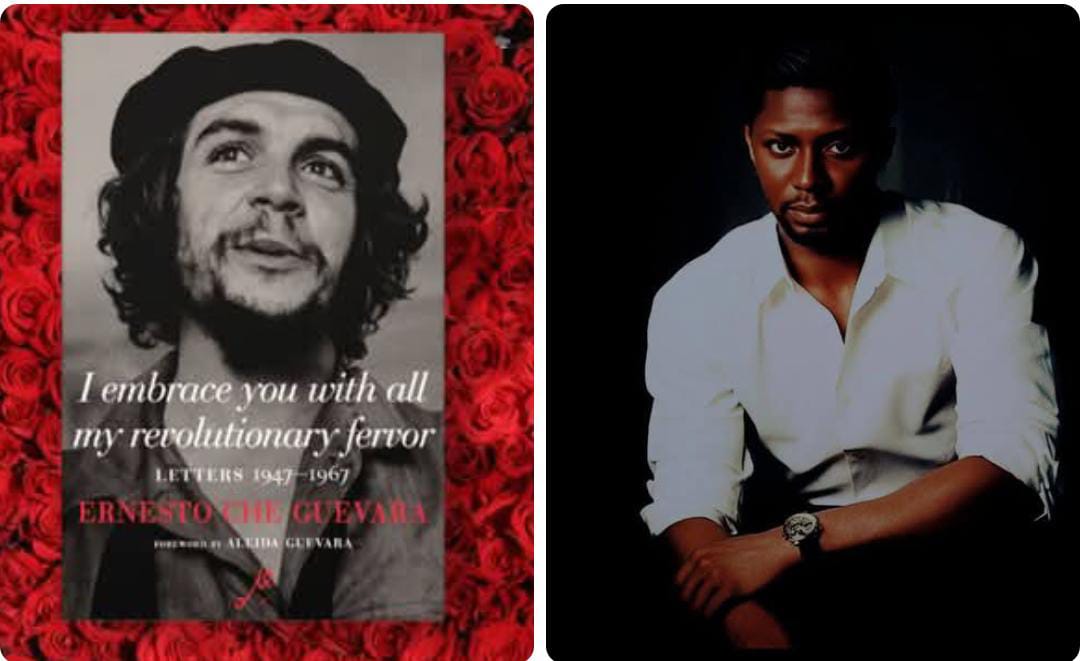
This short article examines the significance of Ernesto “Che” Guevara’s personal letters as primary historical sources for understanding political consciousness through lived human experience rather than rigid ideology. Unlike formal speeches, which are often carefully constructed for public effect, Guevara’s private correspondence reveals a candid, reflective, and evolving individual shaped by travel, injustice, and moral inquiry.
In letters written during his early travels across Latin America, Guevara reflects on his intellectual ambitions and growing sense of continental identity. Writing to his mother, he expresses confidence that his future would be shaped by both scientific curiosity and engagement with the Americas, noting that he had come to feel “Latin American” in character and destiny (Guevara, 2001). This early articulation of transnational identity is significant, as it demonstrates a consciousness not confined by legal nationality but informed by shared historical experience.
His political awakening becomes more pronounced following the 1954 overthrow of the Guatemalan government. In a letter, Guevara describes his increasing indignation at United States intervention in the region, observing that Guatemala made realities “difficult to describe” and forced him to reassess the moral foundations of power and imperial influence (Guevara, 2001). This moment illustrates how direct exposure to injustice can transform abstract knowledge into ethical commitment.
The letters also humanise Guevara as a family man and public servant. Writing playfully about the birth of his first child, he combines humour with affection, while later correspondence from diplomatic missions reveals exhaustion, vulnerability, and emotional attachment to his wife. Such passages challenge the mythologised image of revolutionary leadership by presenting it as deeply human and emotionally grounded.
For African students, these letters hold particular relevance. Many African societies share histories marked by colonial domination, external intervention, and ongoing struggles for self-definition. Guevara’s evolving Latin American consciousness parallels pan-African ideals articulated by thinkers such as Nkrumah and Fanon, in which identity is understood as collective, historical, and moral rather than merely juridical. Engaging with these letters encourages African students to value primary sources, reflective writing, and critical self-examination as tools for intellectual and civic development.
Ultimately, Guevara’s correspondence demonstrates that political consciousness is not born fully formed but develops through experience, reflection, and ethical struggle. For African students, this work offers an invitation to pursue leadership grounded in humanity, critical thought, and responsibility to society.
References (Cambridge / Harvard style)
Guevara, E. (2001). The Motorcycle Diaries: Notes on a Latin American Journey. London: Verso.
Guevara, E. (2011). Che Guevara: The Letters. Edited by the Che Guevara Studies Center. New York: Ocean Press.
Barnet, M. (2012). Commentary on epistolary tradition in Latin American political history. Havana: Casa de las Américas.
ahmadeesir214@gmail.com










Leave a Reply